
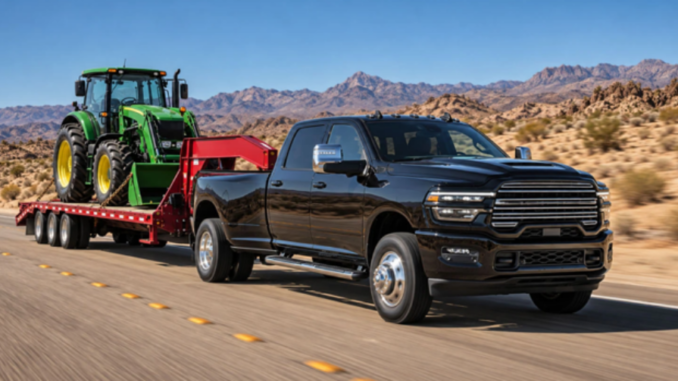
DPF Regeneration – A diesel particulate filter is one of those parts of a modern diesel truck that most owners would rather not think about. When everything is working properly, the DPF quietly collects soot and periodically burns it off during regeneration.
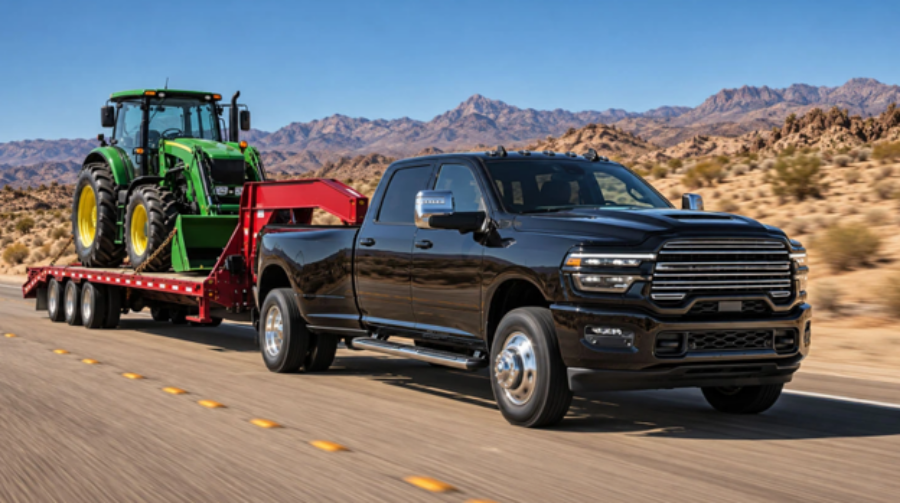
But the way a truck is driven can make that process much easier — or much harder.
This is particularly relevant to a Ram 2500 or 3500 with the 6.7-litre Cummins diesel. A truck that spends most of its time towing, making short trips, sitting in traffic or working in demanding conditions can give its aftertreatment system a very different job from one that spends hours cruising on the highway.
So why can regeneration become a problem, and what can owners do when they are getting tired of repeated DPF warnings?
Why Short Trips Can Affect DPF Regeneration
A diesel particulate filter collects soot and periodically burns it off during regeneration. For this process to work, the exhaust system must reach the temperatures required by the engine’s regeneration strategy.
Frequent short trips can make this more difficult. The engine and exhaust system may spend much of each journey warming up, and the truck may be switched off before an active regeneration cycle is complete.
However, short trips do not automatically mean a DPF problem. Ram Cummins models support parked regeneration, allowing the system to regenerate while the truck is stationary when the required conditions are met. The procedure and operating requirements depend on the model year and vehicle configuration.
The important question is whether the truck can complete regeneration as intended. If the DPF warning keeps coming on despite following the owner’s manual, or if regeneration keeps getting interrupted, it’s best to look into other potential causes, instead of assuming the driving pattern is the only reason this is happening.
What Happens When You Tow Heavy Loads?
A Cummins-powered Ram is built for towing, and sustained engine load can help maintain the exhaust temperatures needed for regeneration. Towing does not automatically make DPF regeneration less effective.
What matters is the overall operating cycle. Road speed, engine load, exhaust temperature and whether the regeneration cycle can finish all influence how the aftertreatment system operates.
A truck pulling a heavy trailer steadily on the highway may have very different regeneration conditions from one making frequent stops, travelling at low speeds or switching between short journeys.
What Can Ram Owners Do?
There are a few practical steps Ram owners can take when DPF warnings start appearing more frequently.
Follow the Recommended Regeneration Procedure
If the truck requests regeneration, follow the instructions in the owner’s manual. Depending on the model and the warning shown, this may involve continuing to operate the vehicle under the recommended conditions or performing a parked regeneration if the vehicle supports it.
Do not assume that every DPF warning calls for the same procedure.
Pay Attention to Recurring Warnings
An occasional regeneration request is part of normal DPF operation. Repeated warnings, increasingly frequent regeneration or a derate condition deserve closer attention, particularly if they continue after a regeneration has been completed.
Look Beyond the Driving Pattern
Frequent regeneration can be related to the truck’s duty cycle, but it can also indicate excessive soot production or a problem with the engine or aftertreatment system.
Regeneration burns accumulated soot, but it does not remove the ash that gradually builds up in the filter. If the problem persists, the underlying cause needs to be established rather than relying on repeated regeneration cycles alone.
When Owners Start Looking at Tuning
For some Ram Cummins owners, repeated DPF warnings and regeneration requirements eventually become a source of frustration.
DrunkLab specialises in remote ECU tuning for diesel engines, including Cummins applications. Its work focuses on engine control software rather than general mechanical repair.
The important point is that tuning is not a repair for a mechanically failed engine, sensor, injector, wiring problem or damaged aftertreatment hardware. Those issues need to be addressed separately.
Depending on the engine, ECU software and vehicle configuration. Tuning may offer options for changing certain aspects of the factory calibration. However, it is not a universal solution for recurring DPF problems.
DrunkLab provides remote Cummins tuning through TeamViewer for applicable applications. Owners considering changes to factory emissions controls should also establish whether the proposed modification is permitted for their vehicle and intended use.
What About Australian Emissions Rules?
Australian Design Rules outline the emission requirements for road vehicles. Modifications made to a vehicle may impact the vehicle’s compliance with the Design Rules. The rules depend on the vehicle category and the modification involved.
Before changing or disabling factory emissions controls, owners should check the requirements that apply to their vehicle and the relevant state or territory. A modification being technically possible does not automatically make it legal for road use.
What Ram Owners Should Know
Frequent DPF regeneration does not automatically mean that the filter has failed. Nor do short trips necessarily have to stop altogether. What matters is whether the regeneration process can complete as intended and whether the engine and aftertreatment system are operating correctly.
For owners who are frustrated by recurring DPF-related limitations. ECU tuning may be another option to consider, depending on the specific application. However, tuning isn’t a true fix to underlying problems. And any alterations to factory emissions controls must meet the requirements related to the vehicle for its intended purpose.